 eTED
eTED 
Sustainable K-12 Campus
The impact of “Transforming Our World: the 2030 Agenda for Sustainable Development,” adopted by the United Nations in 2015, is still felt worldwide.
Sustainable development, defined as development that meets the needs of the present without compromising the ability of future generations to meet their own needs (WCED, 1987), has become a global action plan through international agreements.
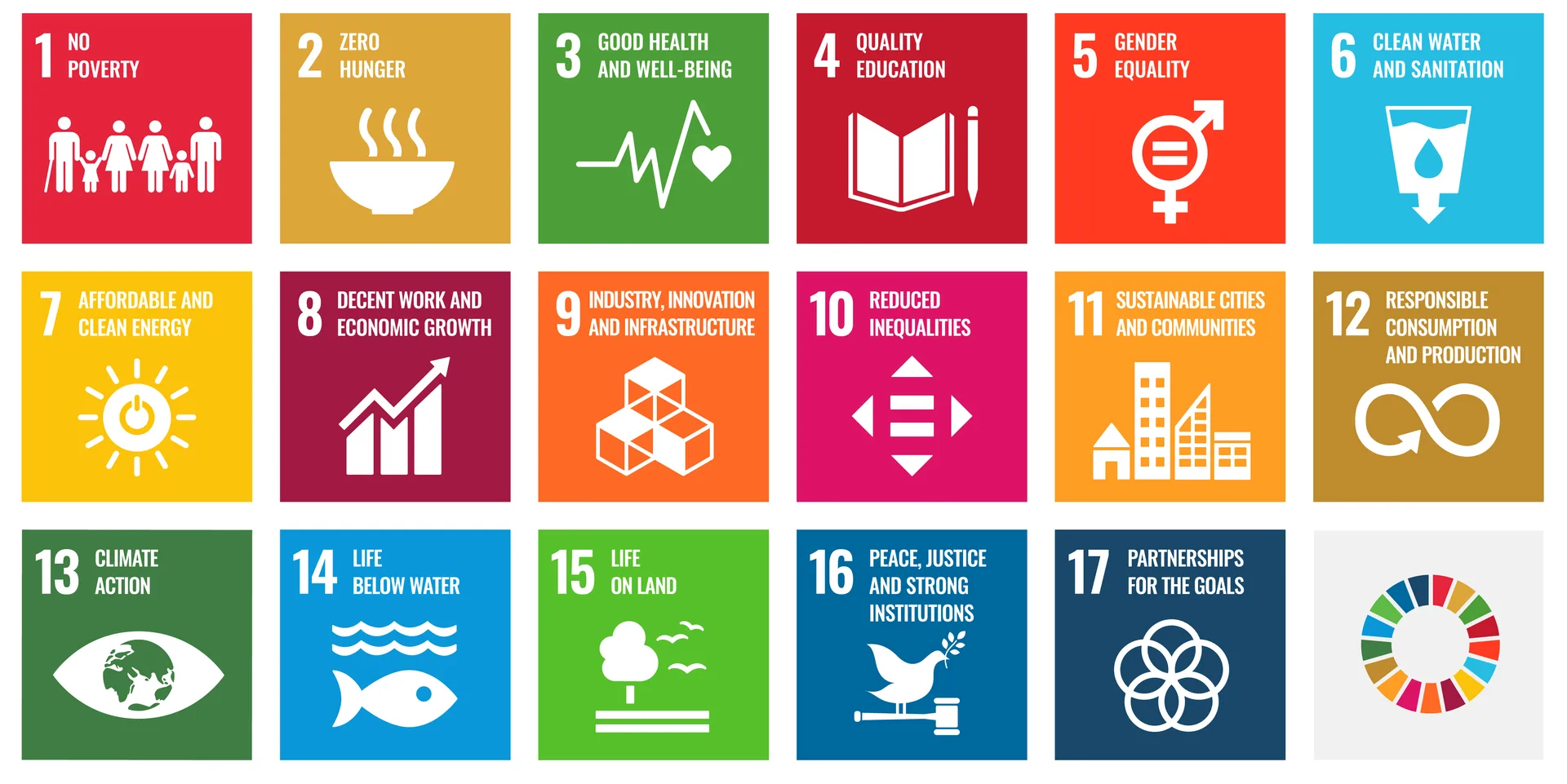
Under this plan, 17 Sustainable Development Goals (SDGs), to be achieved by 2030, were adopted by the Member States of the United Nations, including Turkey.
Why do we want to become a Sustainable K-12 Campus
In today's world, one who owns knowledge also controls power. In this century, which is shaped by knowledge economy, adequate education is essential for success in any field. For this reason, we believe that “education” is the most powerful tool for sustainability, deriving its strength from its ability to transform the way people think. Through appropriate educational methodologies, all stakeholders within the campus ecosystem, including students, employees and parents, can learn and be encouraged to adopt the attitudes and behaviours required for sustainability.
As stated in our mission, it is of great importance to us that former and future graduates of our School, with its long-standing history of nearly 100 years, become global citizens. The attitude of our graduates around the world, shaped by the sound education they received and their awareness of sustainability, will influence the lives of future generations.
TED Ankara College leads the Way in Turkey
In Turkey, the concept of a sustainable campus is more commonly associated with universities.
The term refers to educational institutions that are self-sufficient, minimize adverse environmental, social and socioeconomic impacts, and lead society towards sustainable living. The terms green campus and eco-campus are also used. As TED Ankara College, we set out to teach this concept accurately to our students and the wider community, beginning with kindergarten.
We aim to promote sustainability on our campus through practices such as improving energy efficiency, reducing our carbon and water footprints, managing waste and using renewable energy. Buildings compliant with green building standards have been constructed specifically to improve energy efficiency, and our buildings have energy performance certificates. The TS EN ISO 50001:2018 Energy Management System was implemented on our campus in 2024.
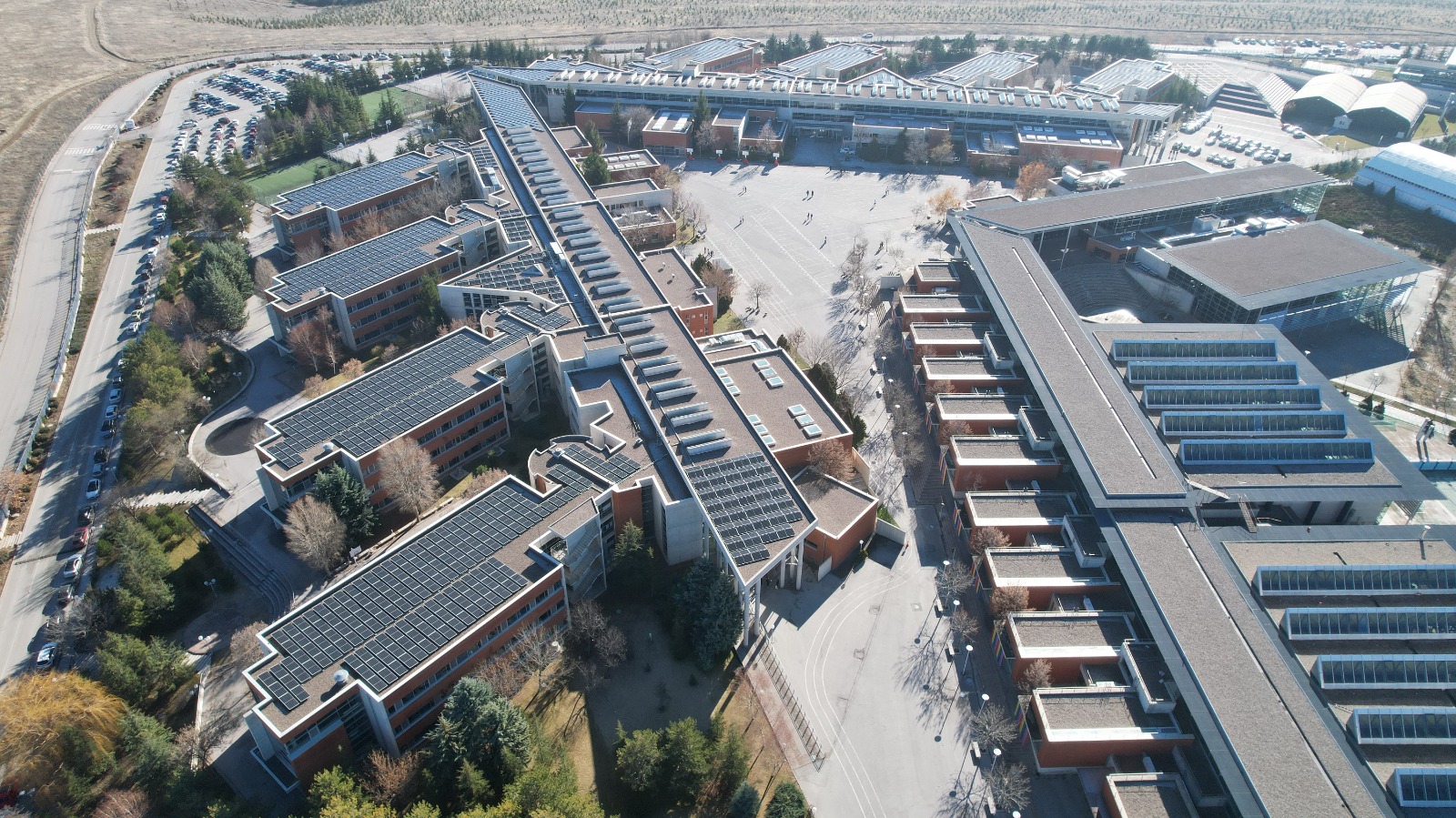
Our School achieved a first among K-12 institutions in Turkey by installing 6,226 photovoltaic solar panels on campus rooftops and at ground level. As of 2024, 87% of our annual electricity demand is met by solar power, a renewable energy source, thereby contributing to sustainability.
How Do We Ensure a Safe Campus Environment
Life at TED Ankara College continues non-stop. From the early hours of the morning, a population comparable to that of a small town enters the campus and spends much of the day within its grounds. Therefore, as TED Ankara College, our goal is to create a working, learning and living environment where all our employees and students can feel healthy and safe, both physically and mentally. To achieve this, we take all necessary measures and put appropriate practices into effect.
We are committed to protecting the physical and mental health, and occupational safety of our employees, students, visitors, contractors, neighbors and all subcontractors and suppliers, ensuring the relevant conditions in this regard, and providing the necessary resources in full. In our resource planning, we give priority to preventing accidents, incidents and health problems, as well as to continually improving our health and safety performance.
To support these efforts, we have a full-time Occupational Health and Safety Specialist, a full-time workplace and school physician, infirmaries in every school building, nurses and a medical secretary.
We Harness the Power of the Sun
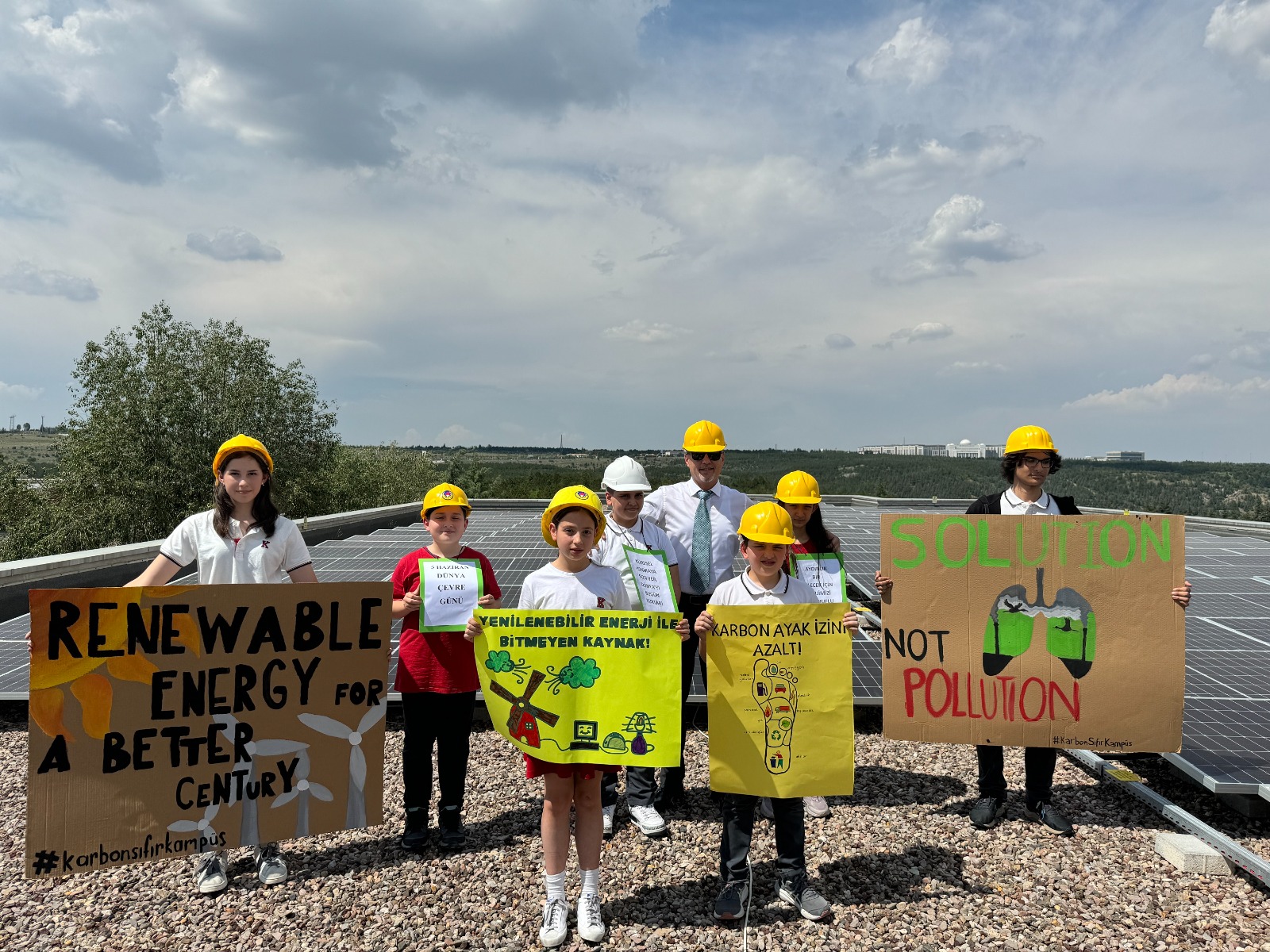
To save electricity and reduce carbon emissions into the environment, our School launched the TED Ankara College Rooftop Solar PV Project in 2022 and put it into effect in 2023, taking an important step towards protecting nature.
Under the project, our School installed a total of 6,226 photovoltaic solar panels on the roofs of nine buildings at the Incek Campus. We are proud to be the first school in Turkey to implement a project of this scale. The project now supplies approximately 75% of our School's annual electricity consumption from solar energy.
Solar radiation reaching the panels is converted into electrical energy. The electricity generated is made suitable for use by inverters and then supplied to the campus. The entire system can be monitored through an automated platform, providing real-time data on energy generation and avoided carbon emissions.
|
|
Heating Automation System
The Heating Automation System enables the 11 buildings on our campus to be heated independently at different temperatures and times in accordance with their heating requirements. Work began in July 2024 and was completed within two months. By preventing unnecessary heating, the system will deliver savings and enable the thermal energy consumption of all buildings to be monitored in real time.
Unnecessary heating will be avoided at weekends, on public holidays and during school breaks, and the system can be switched on and off at specified times. The Heating Automation System will save not only natural gas but also electricity.
Since circulation pump motors will operate only when required rather than continuously, energy will be saved. The service life of all equipment used in the system is also expected to increase, while the number of malfunctions is expected to decrease.
TED Ankara College aims to support the delivery of educational services by providing the necessary resources through an Energy Management System based on continual improvement and development, complying with applicable legislation and regulations.
To this end, the Energy Management Policy of TED Ankara College Foundation Schools is to:
- ensure that the Energy Management System is operated in an integrated manner with our other management systems;
- ensure compliance with applicable internal and external legal requirements relating to energy efficiency, energy use and energy consumption;
- make energy efficiency one of our evaluation criteria when purchasing products and services, and support the procurement of energy-efficient products and services that affect energy performance;
- develop and support designs that improve energy efficiency;
- build awareness and an organisational culture that support the use of renewable energy sources;
- increase awareness of energy efficiency and conservation by providing our employees with ongoing training; and
- collaborate with all our stakeholders to use energy more efficiently.
Without ever compromising our mission, vision and values, the Quality Policy of TED Ankara College Foundation Schools is to:
- Educate global citizens in line with international standards through a student-centred approach to education that responds to changing and evolving needs;
- Develop an inclusive, collaborative and dynamic approach to management by ensuring the effective participation of all stakeholders in the Quality Management System;
- Make a high-level contribution to our stakeholders and society through the achievements of our students and employees in science, sports, arts and other fields;
- Continually develop the knowledge, skills and competencies of our employees;
- Be an institution with sustainable systems where all stakeholders feel happy and safe; and
- Above all, preserve our institutional culture by carrying the awareness and tradition of being a TED Ankara College member into the future.
As a School that carries the awareness and tradition of being a TED Ankara College member into the future, we are committed to ensuring that all our stakeholders protect the environment and natural resources while we are offering educational services.
Accordingly, through its environmental policy, TED Ankara College commits to:
- use energy and natural resources efficiently;
- minimise pollution and the generation of hazardous and non-hazardous waste in service delivery processes, dispose of such waste safely, and provide opportunities for recycling and reuse;
- protect the natural environment of the campus and its surroundings;
- implement measures to minimise environmental harm in the event of an accident or emergency arising from our activities;
- provide students and employees, in particular, with ongoing environmental education, encourage them to put their learning into practice, and raise environmental awareness;
- reduce our carbon footprint by increasing the use of renewable energy sources and expanding our energy-efficiency initiatives;
- comply with applicable legislation and the TS EN ISO 14001:2015 Environmental Management System standard; and
- continually develop and improve the Environmental Management System.
At TED Ankara College Foundation Schools, it is one of our fundamental priorities to provide a safe and healthy environment for all employees, students, visitors and other interested parties while carrying out our educational activities.
Accordingly, TED Ankara College commits to:
- provide safe and healthy working conditions to prevent work-related injury and health problems among our employees;
- effectively implement protective and preventive measures to prevent occupational accidents and diseases;
- fully comply with all applicable legal obligations and the requirements of other interested parties;
- proactively and systematically assess all hazards, risks and opportunities that may arise from our institutional activities;
- eliminate hazards and minimise risks at source;
- identify occupational health and safety risks that may arise in the context of climate change and environmental impacts, and take the necessary measures;
- encourage the participation of employees, employee representatives and other stakeholders, and regard their feedback as a key element of continual improvement;
- regularly conduct training and awareness activities to strengthen occupational health and safety awareness among our employees and stakeholders; and
- continually review our Occupational Health and Safety Management System, improve its performance and uphold the principle of continual improvement.